Uncategorized
Vaping Vs Smoking
Jan
Smoking VS Vaping Which Is Best
Smoking vs Vaping Cannabis: Which Method Is Truly Best in 2025?
Cannabis consumption has evolved dramatically, with smoking remaining a cultural staple while vaping gains traction for its perceived health benefits and convenience. This comprehensive guide breaks down the science, user experiences, costs, and practical realities to help you decide which method aligns with your lifestyle, health goals, and preferences—without hype or misinformation.
Neither option is entirely “safe,” as inhaling any substance carries risks, but understanding the differences empowers informed choices.
The Science Behind Smoking and Vaping
How Smoking Works
Smoking involves combustion: lighting cannabis flower at temperatures exceeding 900°F (482°C), which rapidly breaks down cannabinoids like THC and CBD while producing smoke filled with active compounds, terpenes, and byproducts.
This delivers an immediate, full-spectrum high, but the burning process generates tar, carbon monoxide, benzene, and other irritants linked to respiratory issues over time.
Traditional methods include joints, pipes, bongs, or blunts, each offering unique rituals but varying efficiency.
How Vaping Works
Vaping heats cannabis flower, concentrates, or oils to 350–450°F (177–232°C), vaporizing cannabinoids and terpenes without full combustion.
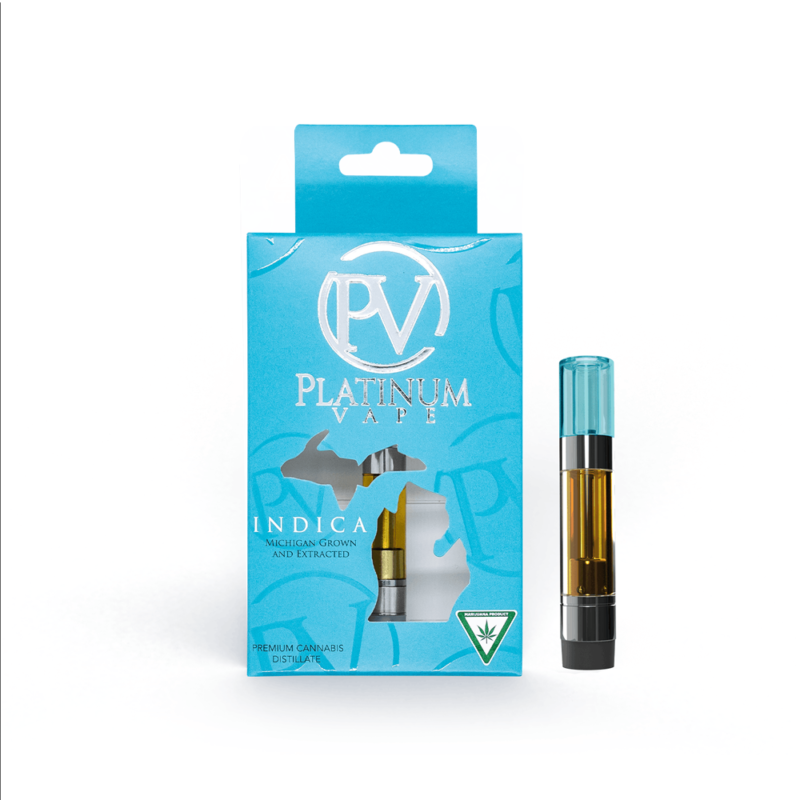
Dry herb vaporizers process ground flower, while oil pens use cartridges—both produce an aerosol that’s smoother and preserves more nuanced flavors.
Temperature control allows targeting effects: low temps (around 356°F) for uplifting sativa-like highs, higher for sedating indica vibes.
[Visual comparison of smoke vs vapor: thick, lingering smoke from a joint next to thin, dissipating vapor from a vape pen.]
Health Risks: A Side-by-Side Breakdown
Recent studies highlight key differences, though long-term data on vaping remains limited.
| Category | Smoking Impacts | Vaping Impacts |
|---|---|---|
| Lung Irritation | High: Tar buildup causes cough, bronchitis; chronic exposure mimics tobacco damage. | Lower: Less coughing, but potential for lipid pneumonia from oils. |
| Toxin Exposure | Combustion creates 100+ carcinogens (e.g., benzene). | Fewer toxins, but additives like propylene glycol may harm cells. |
| Onset & Duration | Instant high, peaks in minutes, lasts 1–3 hours. | Slightly delayed (1–2 min), smoother curve, lasts 1–4 hours. |
| Secondhand Risk | Strong odor lingers; more environmental exposure. | Minimal odor, vapor clears fast. |
Vaping reduces combustion byproducts by up to 95% in some analyses, making it gentler short-term, but 2025 research flags vaping-specific risks like EVALI from contaminated carts. Smoking’s familiarity doesn’t make it safer—decades of data tie it to airway inflammation.
Effects and User Experience: High Quality Compared
-
Potency and Feel: Smoking hits harder upfront due to synergistic combustion compounds, ideal for those seeking a “body stone” or ritualistic session. Vaping feels cleaner and more cerebral, with better terpene preservation for strain-specific effects (e.g., fruity Gelato vs earthy OG).
-
Efficiency: Vapes extract 30–50% more cannabinoids from the same flower, stretching supplies. Smoking wastes material via burning.
-
Flavor Profile: Vaping wins for taste—users describe it as “pure cannabis essence” without ashy notes.
Experienced users often hybridize: vaping daily for discretion, smoking socially for tradition.
Cost Analysis: Short-Term vs Long-Term Savings
-
Smoking Setup: £5–20 initial (papers, grinder, lighter); £10–30/month on flower. Simple, no tech fails.
-
Vaping Investment: £50–300 for a quality device (e.g., Pax or Volcano); saves 40–60% on material long-term. Cartridges add £20–50 per gram equivalent.
Breakdown Table (Assuming 1g/week usage):
| Method | Monthly Cost | Upfront Cost | Efficiency Score |
|---|---|---|---|
| Smoking | £40–120 | Low (£20) | 60% |
| Dry Herb Vape | £25–80 | Medium (£150) | 90% |
| Oil Vape | £30–100 | Low (£50) | 85% |
Vaping pays off after 3–6 months for regulars.
Convenience, Discretion, and Lifestyle Fit
-
Portability: Pocket-friendly vapes beat bulky bongs; pens mimic nicotine devices.
-
Odor Control: Vapor fades in seconds vs smoke’s hours-long cling—key for apartments or travel.
-
Ease of Use: Smoking is foolproof; vaping has a learning curve but apps track sessions.
-
Cleaning/Maintenance: Pipes need occasional scrubbing; vapes require regular upkeep to avoid residue buildup.
For professionals or parents, vaping’s stealth edges out.
UK Legal Context and Sourcing Tips
In the UK, cannabis remains Class B—both methods risk legal issues if caught. Focus on lab-tested products:
-
Avoid black-market carts with vitamin E risks.
-
Legal CBD vapes mimic effects with <0.2% THC.
-
Medical patients access prescribed options via clinics.
Common Myths Debunked
-
Myth: Vaping is 100% safe. Reality: Still inhalation; monitor for dry mouth, anxiety.
-
Myth: Smoking is always stronger. Reality: High-temp vaping rivals it gram-for-gram.
-
Myth: Odorless vapes = undetectable. Reality: Dogs and tests spot residues.
FAQs: Quick Answers to Top Questions
Is vaping cannabis better for lungs? Generally yes for reduced toxins, but not risk-free.
How much flower does vaping save? Up to 50% vs joints.
Can I switch from smoking to vaping? Start low-temp; expect milder initial highs.
Best starter vape? Pax Mini or Arizer for dry herb reliability.
Does vaping cause less munchies? Similar appetite effects, but cleaner taste enhances enjoyment.
Final Verdict: No One-Size-Fits-All Winner
Choose vaping if health, flavor, savings, and discretion top your list—it’s the modern edge for daily use.
Choose smoking for budget simplicity, social vibes, and unfiltered potency—timeless but harsher.
